Understanding Natural Weight Loss (2026 Edition)
Key Takeaways
- ✓ Metabolism decreases with age, impacting weight management.
- ✓ Hormones like ghrelin and leptin play critical roles in appetite regulation.
- ✓ Plant-based ingredients such as green tea and CLA may support fat burning.
- ✓ Combining diet and exercise is essential for effective weight loss.
- ✓ Tracking progress should focus on multiple metrics, not just the scale.
How Your Metabolism Actually Works After 40
As you age, your metabolism undergoes significant changes that can affect your weight. This section covers how basal metabolic rate (BMR) decreases with age, often due to loss of muscle mass and hormonal shifts. Research from the Journal of Clinical Endocrinology & Metabolism (Zamboni et al., 2005) suggests that BMR decreases by about 1% per year after age 40. We’ll also discuss how incorporating strength training can help mitigate these changes.
Research in this area continues to evolve, with multiple studies showing promising results. Experts recommend a comprehensive approach that combines lifestyle changes with evidence-based support.
Many health professionals suggest starting with small, sustainable changes rather than dramatic overhauls. This approach has been shown to produce more lasting results over time.
The Science Behind Natural Fat Burning
Understanding the mechanisms of fat oxidation is crucial for effective weight management. This section delves into how nutrients like conjugated linoleic acid (CLA) and catechins from green tea can boost fat metabolism. Studies indicate that CLA may support weight loss by increasing thermogenesis (Journal of Nutrition, 2004). We’ll explore how these compounds interact with metabolic pathways to facilitate fat burning.
Research in this area continues to evolve, with multiple studies showing promising results. Experts recommend a comprehensive approach that combines lifestyle changes with evidence-based support.
Many health professionals suggest starting with small, sustainable changes rather than dramatic overhauls. This approach has been shown to produce more lasting results over time.
Understanding Appetite and Hunger Hormones
Appetite regulation is a complex interplay of hormones like ghrelin and leptin. This section explains how ghrelin stimulates hunger while leptin signals fullness. Research published in Obesity Reviews (Pérez-Torres et al., 2017) shows that hormonal imbalances can lead to overeating. We’ll also discuss strategies to balance these hormones naturally, including the role of Vitamin D in appetite regulation.
Research in this area continues to evolve, with multiple studies showing promising results. Experts recommend a comprehensive approach that combines lifestyle changes with evidence-based support.
Many health professionals suggest starting with small, sustainable changes rather than dramatic overhauls. This approach has been shown to produce more lasting results over time.

Plant-Based Ingredients That Support Weight Management
Certain plant-based compounds can support your weight management efforts. This section highlights ingredients like garcinia cambogia and the antioxidant EGCG found in green tea. Studies in the American Journal of Clinical Nutrition (2009) show that EGCG may enhance fat oxidation and promote weight loss. We’ll look at how these ingredients can fit into your daily routine.
Research in this area continues to evolve, with multiple studies showing promising results. Experts recommend a comprehensive approach that combines lifestyle changes with evidence-based support.
Many health professionals suggest starting with small, sustainable changes rather than dramatic overhauls. This approach has been shown to produce more lasting results over time.
Liquid Supplements vs Pills vs Capsules for Weight Loss
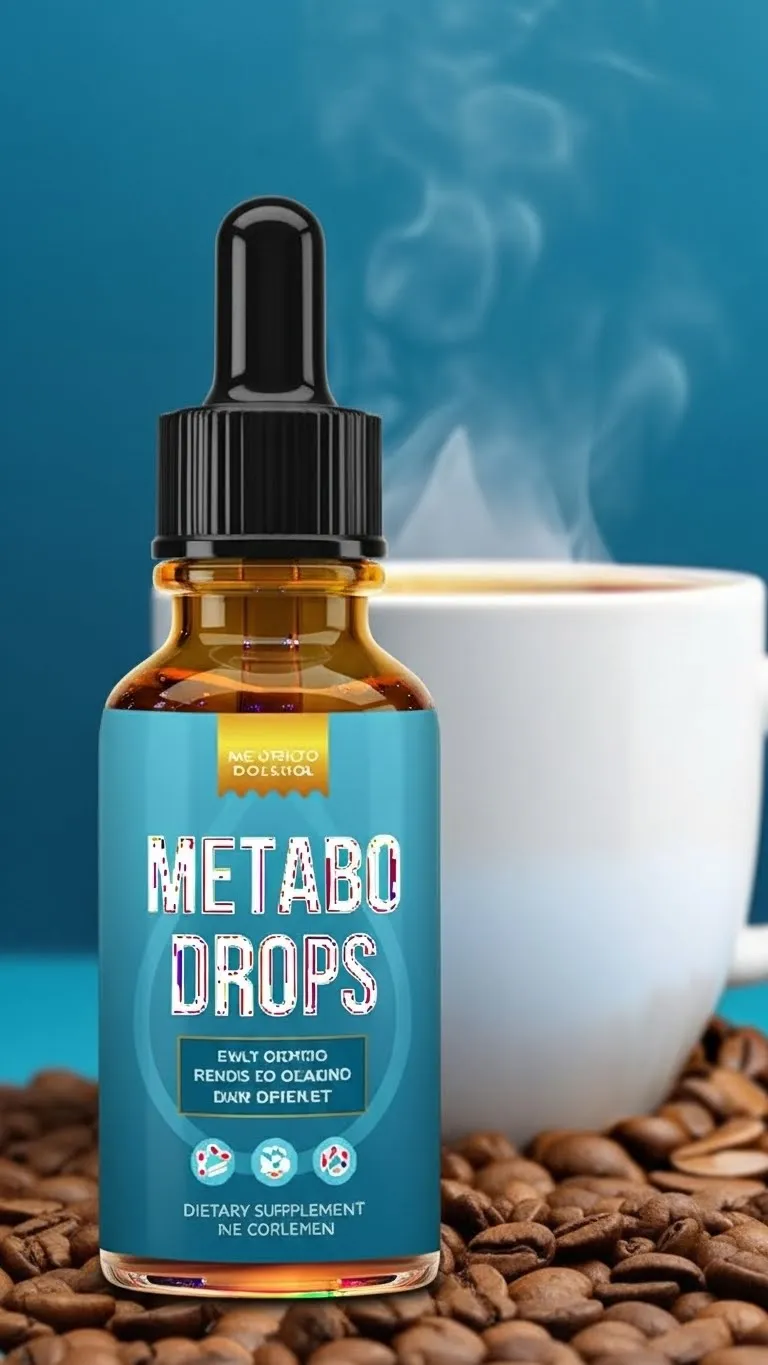
Choosing the right form of supplements can impact their effectiveness. This section compares liquid supplements, pills, and capsules, focusing on bioavailability and absorption rates. A study in the Journal of Nutritional Biochemistry (2012) concludes that liquid forms may be absorbed faster than pills. We’ll also consider Metabo, a popular supplement that offers multiple forms, and their respective benefits.
Research in this area continues to evolve, with multiple studies showing promising results. Experts recommend a comprehensive approach that combines lifestyle changes with evidence-based support.
Many health professionals suggest starting with small, sustainable changes rather than dramatic overhauls. This approach has been shown to produce more lasting results over time.
Exercise and Diet: Finding the Right Balance
A balanced approach to exercise and diet is key for weight loss. This section discusses the importance of combining aerobic exercise with strength training for optimal fat loss. Research from the American Journal of Preventive Medicine (2018) suggests that individuals who engage in both modalities achieve better results. We’ll provide insights on how to create a personalized plan that aligns with your goals.
Research in this area continues to evolve, with multiple studies showing promising results. Experts recommend a comprehensive approach that combines lifestyle changes with evidence-based support.
Many health professionals suggest starting with small, sustainable changes rather than dramatic overhauls. This approach has been shown to produce more lasting results over time.
Common Weight Loss Myths Debunked
In the world of weight loss, misinformation abounds. This section debunks common myths, such as the belief that all calories are created equal. Research indicates that the source of calories affects metabolic outcomes (Nutrition Reviews, 2016). We’ll clarify misconceptions surrounding certain diets and offer evidence-based perspectives on what really works.
Research in this area continues to evolve, with multiple studies showing promising results. Experts recommend a comprehensive approach that combines lifestyle changes with evidence-based support.
Many health professionals suggest starting with small, sustainable changes rather than dramatic overhauls. This approach has been shown to produce more lasting results over time.

How Stress and Sleep Affect Your Weight
Stress and sleep play crucial roles in weight management. This section explores how stress increases cortisol levels, which can lead to weight gain (International Journal of Obesity, 2013). We’ll also discuss the importance of quality sleep and its effects on hormones related to hunger, highlighting studies that link sleep deprivation to increased appetite.
Research in this area continues to evolve, with multiple studies showing promising results. Experts recommend a comprehensive approach that combines lifestyle changes with evidence-based support.
Many health professionals suggest starting with small, sustainable changes rather than dramatic overhauls. This approach has been shown to produce more lasting results over time.
Tracking Progress Without Obsessing Over the Scale
Focusing solely on the scale can be discouraging. In this section, we’ll discuss alternative methods for tracking progress, such as measuring body composition and assessing how your clothes fit. Research shows that non-scale victories can be motivating (Journal of Health Psychology, 2018). We’ll also provide tips on maintaining a healthy mindset while tracking your journey.
Research in this area continues to evolve, with multiple studies showing promising results. Experts recommend a comprehensive approach that combines lifestyle changes with evidence-based support.
Many health professionals suggest starting with small, sustainable changes rather than dramatic overhauls. This approach has been shown to produce more lasting results over time.
Building Sustainable Habits for Long-Term Results
Sustainable weight loss relies on building healthy habits that can last a lifetime. This section outlines strategies for habit formation, including the role of accountability and setting realistic goals. A study in the Journal of Behavioral Medicine (2020) found that participants who focused on small, achievable changes were more successful in maintaining weight loss. We’ll share tips on how to stay committed to your journey.
Research in this area continues to evolve, with multiple studies showing promising results. Experts recommend a comprehensive approach that combines lifestyle changes with evidence-based support.
Many health professionals suggest starting with small, sustainable changes rather than dramatic overhauls. This approach has been shown to produce more lasting results over time.
Final Thoughts
As we wrap up this comprehensive guide on natural weight loss, it’s clear that understanding the science behind metabolism, appetite regulation, and effective strategies can make a significant difference in your journey. Remember, every person's path to weight management is unique, and what works for one may not work for another. By focusing on informed choices, plant-based ingredients, and sustainable habits, you can create a personalized plan that fits your lifestyle. Whether you choose to incorporate supplements like Metabo or simply make changes to your diet and exercise routine, the most important thing is to stay consistent and patient as you work towards your goals. Here’s to your health and success!Frequently Asked Questions
What is the best diet for weight loss?
There's no one-size-fits-all diet, but a balanced approach with whole foods and portion control usually works best.
Can I lose weight without exercise?
Yes, weight loss can be achieved through diet alone, but combining it with exercise enhances results.
How important is water intake for weight loss?
Staying hydrated is crucial, as it can help control appetite and support metabolism.
Are weight loss supplements effective?
Some supplements may support weight loss efforts when combined with diet and exercise, but results vary.
How does age affect weight loss?
As you age, metabolism slows down, making weight loss more challenging without lifestyle adjustments.
Is intermittent fasting effective for weight loss?
Research suggests that intermittent fasting can be effective for some people, but it’s not for everyone.
What role does sleep play in weight loss?
Quality sleep is vital; lack of sleep can disrupt hormones that regulate appetite, leading to weight gain.
Can stress lead to weight gain?
Yes, stress can elevate cortisol levels, which may increase cravings and lead to weight gain.
References & Sources
- Decrease in metabolic rate with age — Journal of Clinical Endocrinology & Metabolism (2005)
- CLA and weight loss — Journal of Nutrition (2004)
- Appetite hormones and obesity — Obesity Reviews (2017)
- EGCG and fat oxidation — American Journal of Clinical Nutrition (2009)
- Liquid supplements absorption rates — Journal of Nutritional Biochemistry (2012)
- The role of stress in weight gain — International Journal of Obesity (2013)
- Habit formation and weight maintenance — Journal of Behavioral Medicine (2020)
- Non-scale victories in weight management — Journal of Health Psychology (2018)